Biopolitics and Human Rights
Analysis of global bioethical dilemmas through the intersection of biopolitics, human rights, power, vulnerability, and global justice.
How do structures of power affect life, dignity, and human rights?
Members
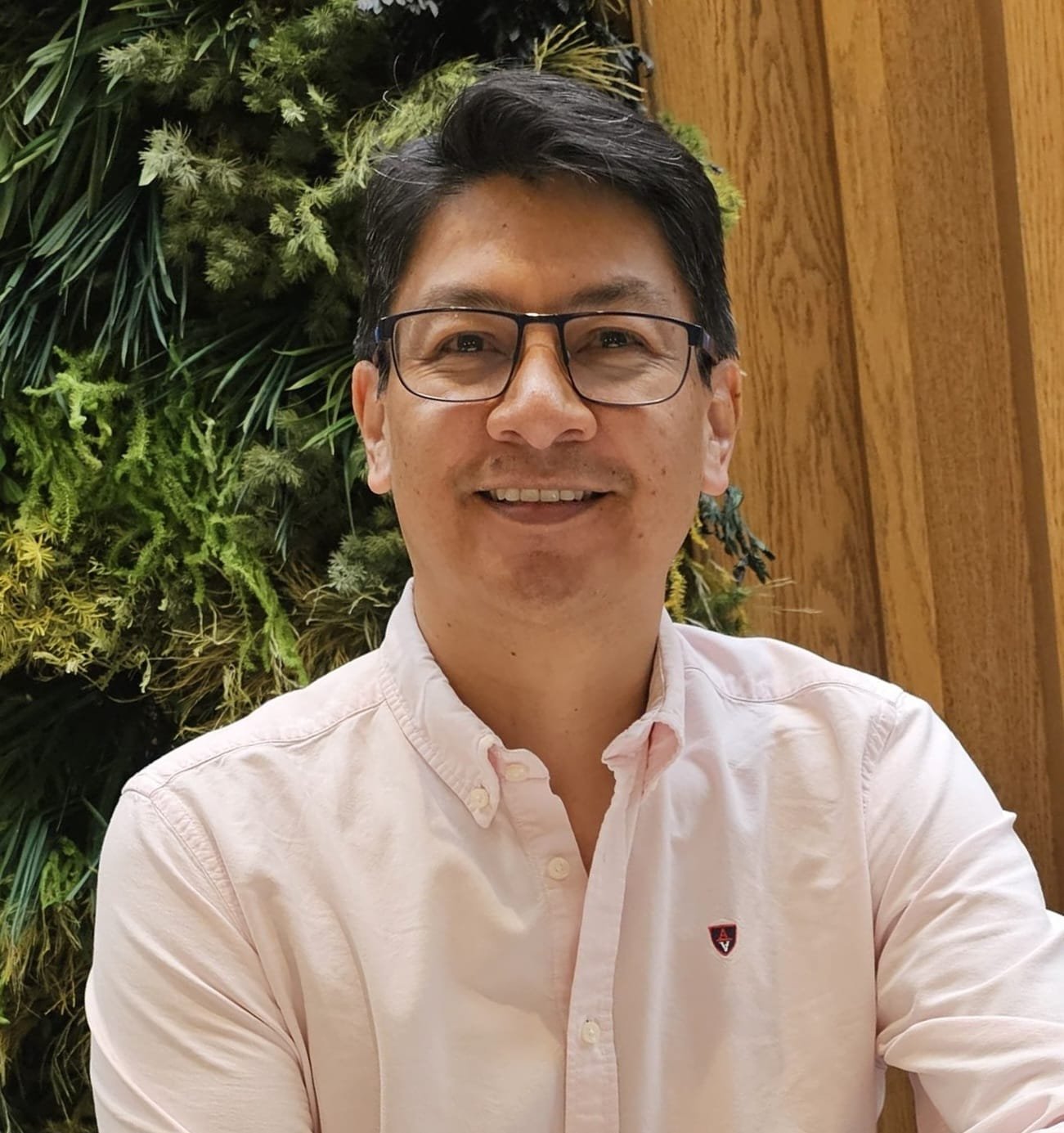
Romel Jurado Vargas
He holds a Bachelor's degree in Public and Social Sciences, a Law degree, a Diploma in Democratic Security and Human Rights, a Doctorate in Jurisprudence, a Master's degree in Constitutional Law, and a Master's degree in Advanced Human Rights Studies.
He has been a university professor since 2001. He is the author of ten books, fourteen peer-reviewed articles, and ten book chapters. He has also contributed to various media outlets, including El Universo, Plan V, Desalineados, and Ruta Krítica.
Throughout his professional career, he has served as Executive Secretary of the Truth Commission, Secretary General of CIESPAL, Secretary-Rapporteur of the Justice and State Structure Commission, legislative advisor, Coordinator of International Relations at CPCCS, and he is currently the Legal Manager of Pichincha Comunicaciones E.P.
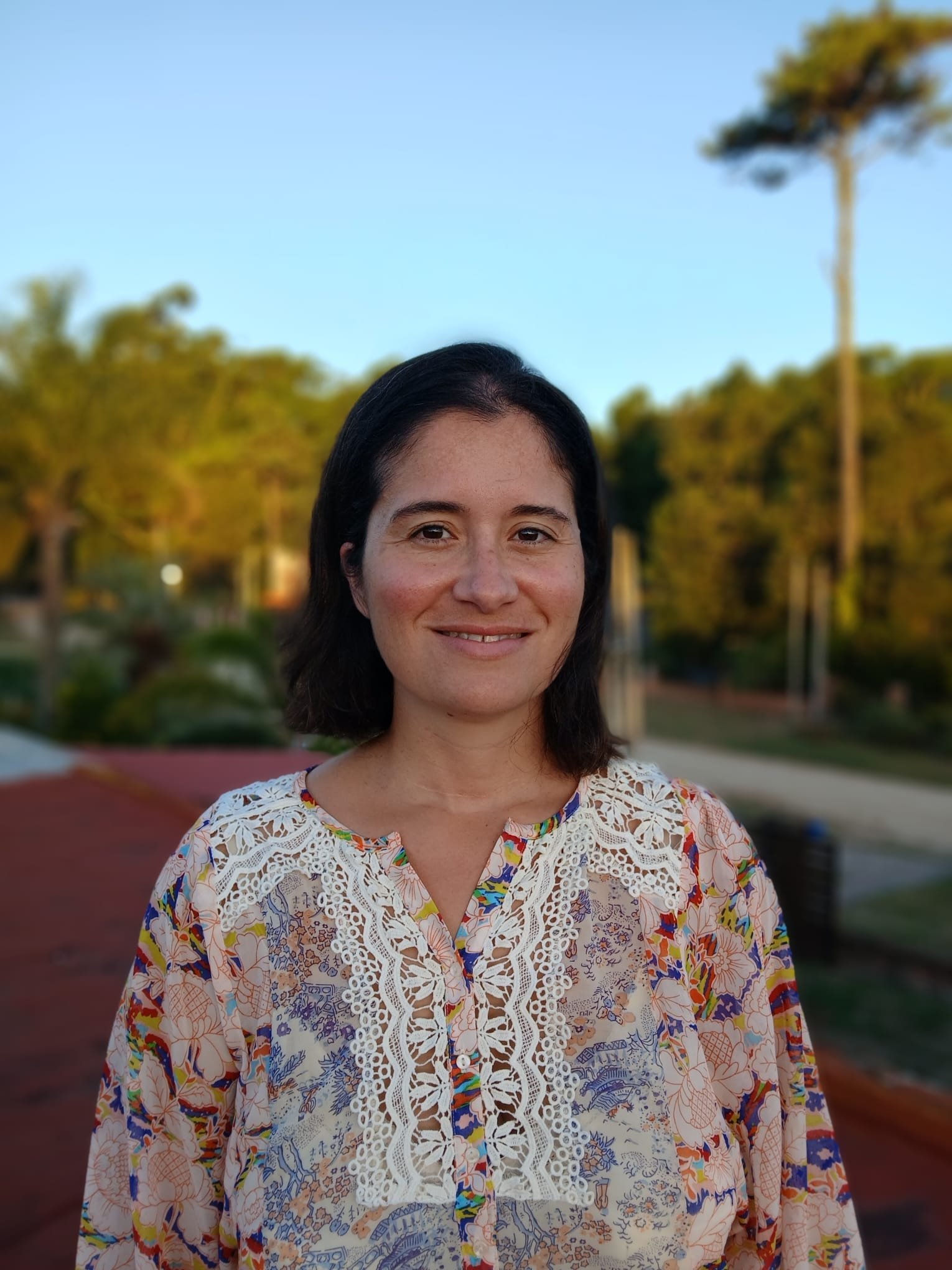
Romina Gallardo Duarte
Romina Gallardo Duarte holds a PhD in Law and Social Sciences from the University of the Republic (UDELAR, Uruguay), a Master’s degree in Public Policy and Feminisms from the National University of José C. Paz (Argentina), and a Diploma in Human Rights with a specialization in Access to Justice from the Catholic University of Córdoba (Argentina). She is co-founder of Gestar Derechos and a member of the Feminist Bioethics Project at the Institute for Legal Research of the National Autonomous University of Mexico (UNAM).
She serves as legal advisor to the Gender Equity Committee and the Healthcare Ethics Committee at UDELAR’s School of Dentistry and teaches in the Master’s Program in Human Rights at CLAEH University. Her research and publications focus on law, gender, health, and reproductive violence. For over five years, she legally represented survivors of gynecological and obstetric violence in Uruguay and produced some of the country’s earliest legal scholarship on obstetric violence.
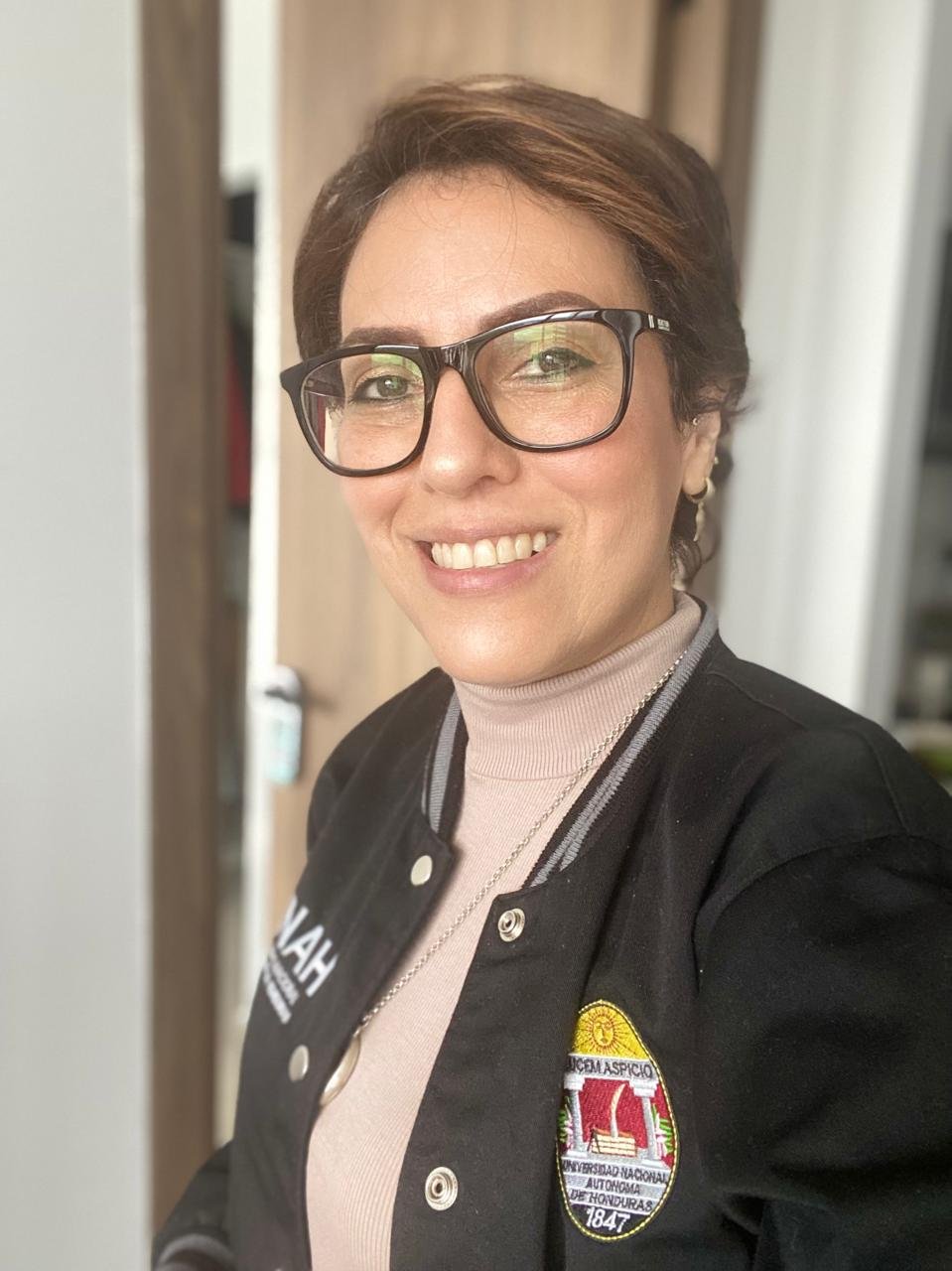
Lidia Suyapa Cálix Vallecillo
Lidia Suyapa Cálix Vallecillo is a Honduran academic, researcher, and university leader with extensive experience in visual arts, higher education, humanities research, and cultural management. She currently serves as Dean of the Faculty of Humanities and Arts at the National Autonomous University of Honduras (UNAH) for the 2024–2028 term. She holds a PhD in Visual Arts and Education from the University of Seville, a Master's degree in Mental Health with an emphasis on Humanities and Social Sciences from the University of León, and a Bachelor's degree in Fine Arts from the Francisco Morazán National Pedagogical University.
As a senior researcher and Dean, Dr. Cálix promotes academic innovation, interdisciplinary research, human rights, citizenship, student retention and graduation, graduate employability, and stronger connections between universities and society. Her leadership is grounded in participation, inclusion, internationalization, critical thinking, and the integration of the humanities and arts in responding to contemporary challenges. Her interdisciplinary and humanistic perspective brings an important new dimension to the Committee's work on global bioethics, cultural diversity, human dignity, and social justice.
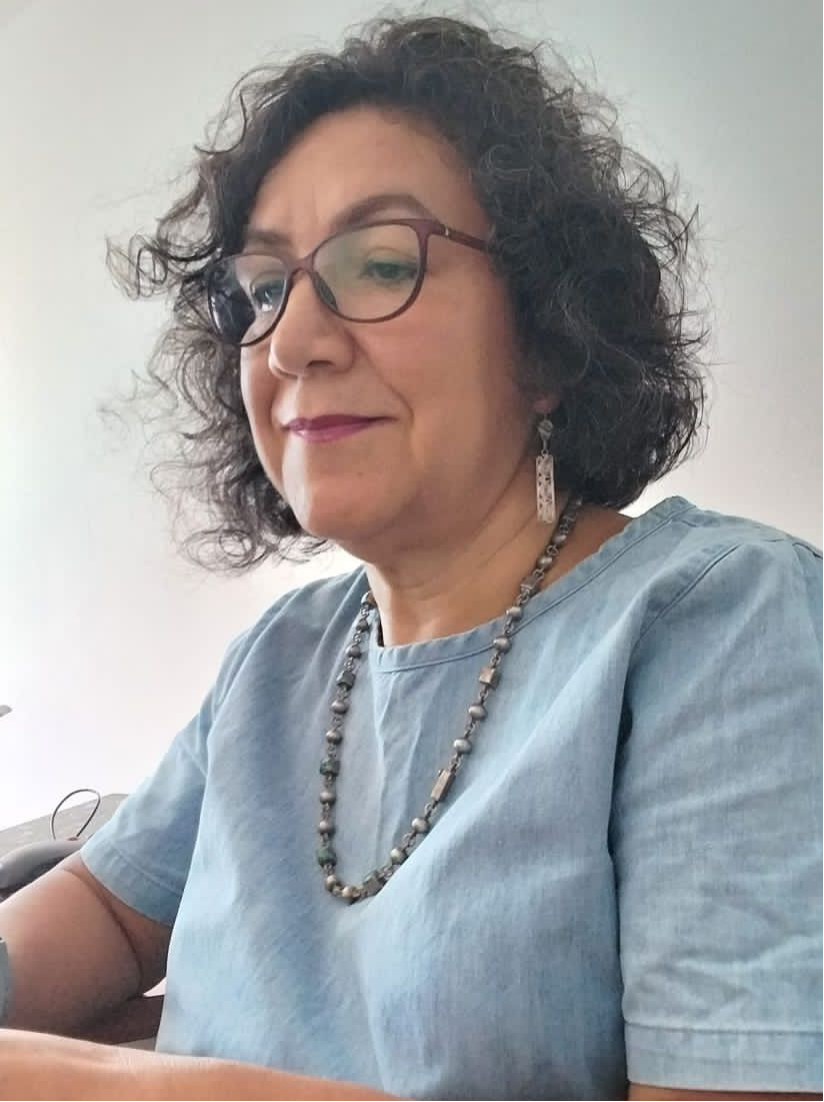
Ana Ortega
She is a researcher, consultant, and university lecturer specializing in socioeconomic and political issues, with particular expertise in migration, gender, democratic governance, and social justice.
She holds a Ph.D. in International and Intercultural Studies and a Master's degree in Migration, Conflict and Social Cohesion in a Global Society from the University of Deusto (Bilbao, Spain). She also earned a Master's degree in Latin American Social and Political Studies, with a specialization in Democratic Governance, from Alberto Hurtado University (Chile), and a Bachelor's degree in Economics from the National Autonomous University of Honduras (UNAH).
She has taught in the Master's Program in Social Work at UNAH and at the Graduate School of UNITEC. Her research and consulting work has focused on socioeconomic and political issues, particularly the gendered dimensions of migration, care, and inequality.
She has published on the feminization of migration, global care networks, the instrumentalization of law as a mechanism of dispossession, and taxation from a gender perspective.
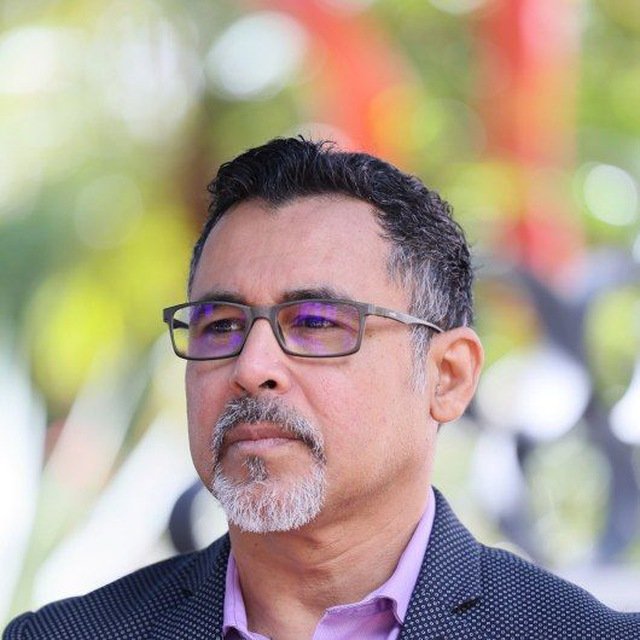
Joaquín A. Mejía Rivera
Holds a PhD in Advanced Human Rights Studies from the University Carlos III of Madrid (awarded with Outstanding Cum Laude by unanimous decision), a PhD in Human Rights, Democracy and International Justice from the University of Valencia (Outstanding Cum Laude), and an Honorary Doctorate in Humanities from José Cecilio del Valle University. He also earned a Master's Degree in Advanced Human Rights Studies from the University Carlos III of Madrid and a Diploma of Advanced Studies in International Law and International Relations from the Complutense University of Madrid. He is the author and editor of 30 books published by academic presses in Spain, Mexico, Costa Rica, and Honduras. With more than 24 years of professional experience, he has litigated cases before the Inter-American Commission on Human Rights and the Inter-American Court of Human Rights. He serves as a researcher at the Reflection, Research and Communication Team (ERIC) and as Deputy Director of its Human Rights Legal Team. In 2017, within the framework of the centennial commemoration of the Mexican Constitution, the Institute of Constitutional Studies of the State of Querétaro recognized his "outstanding career and contribution to Latin American constitutionalism."

Blanca Ireri Camacho Carrasco
Member of the Indigenous community of San Jerónimo Purenchécuaro, Quiroga, Michoacán, Mexico. Attorney at Law, with specialized studies in procedural law, a Master's degree in Law, a Master's degree in Agricultural Production with a concentration in Agribusiness, and a PhD in Development and Sustainability. She has taught at secondary, upper-secondary, and higher education levels in various educational institutions. She has worked as a litigation attorney, legal clerk in a civil chamber of the Michoacán State Court of Justice, and legal advisor to the state government, municipalities, private companies, civil society organizations, and financing institutions. She is currently a professor at the Instituto Michoacano de Ciencias de la Educación in the area of continuing education, and at the Universidad Intercultural Indígena de Michoacán, where she teaches in the Law program with a focus on legal pluralism and in the Political Science program. She is President of the civil associations "Movimiento Urbano y Rural" and "Fundación para la Sustentabilidad y la Conservación del Patrimonio Biocultural" A.C., and a member of the International Research Network on Sustainability of Life and Complexity.
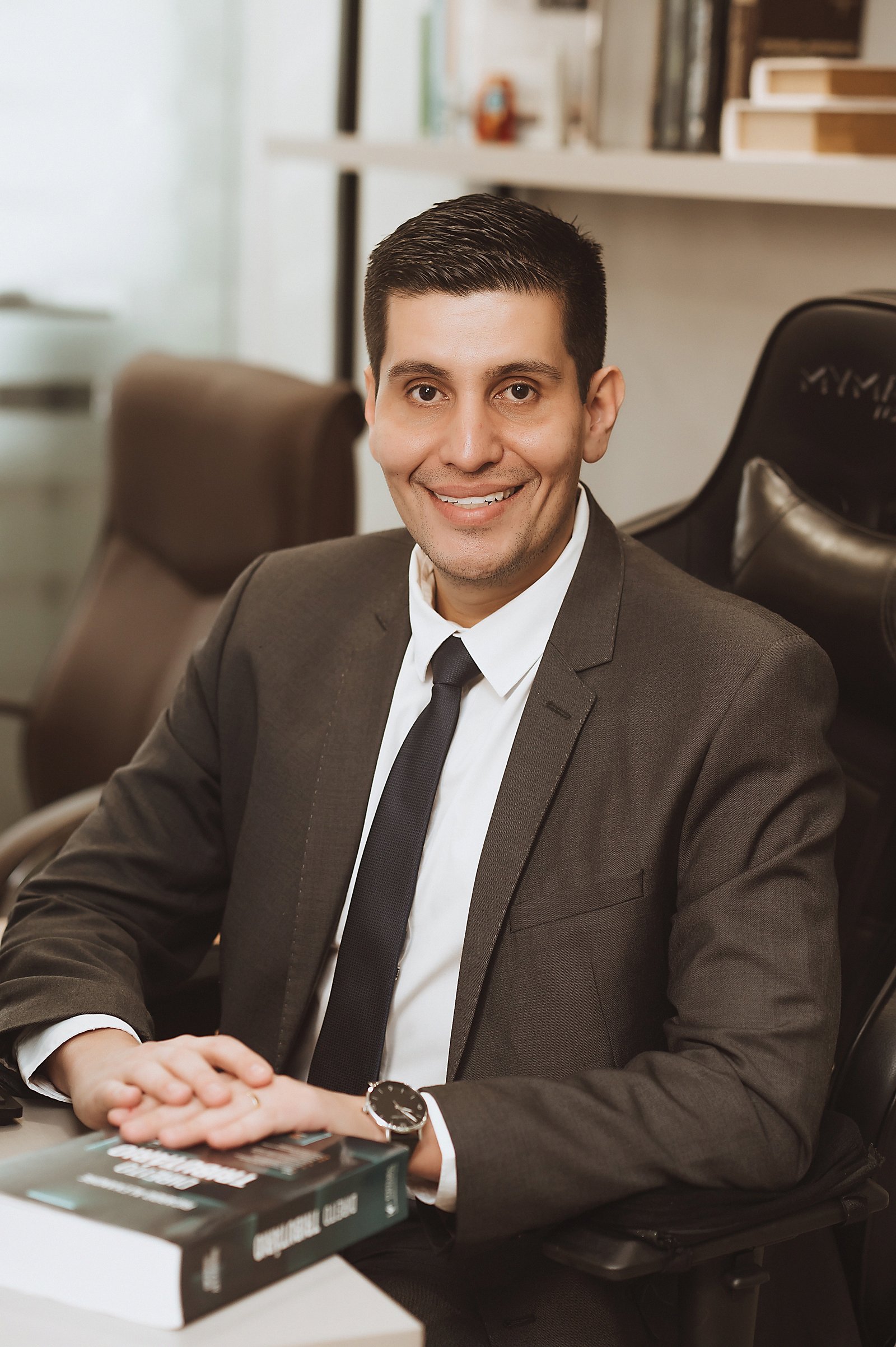
Lucas Guimarães Pieri
Lucas Guimarães Pieri is a Brazilian lawyer, professor, and researcher specializing in bioethics, biolaw, and human rights. He holds a Master’s degree in Bioethics from the Pontifícia Universidade Católica do Paraná (PUCPR). His research focuses on environmental bioethics, forced migration and refugee protection, pandemic ethics, and the protection of human dignity and the environment. He currently coordinates a research group on Environmental Bioethics and is the author of Bioética e Direito: da ciência da sobrevivência ao ordenamento jurídico, as well as several publications on bioethics and human rights.
He has served as Secretary of the Bioethics and Biolaw Commission of the Brazilian Bar Association in Londrina and as Risk Manager for CISV Londrina and CISV Brazil, an international organization dedicated to peace education, human rights, and intercultural understanding. He is also a founding partner of Pieri & Machado Sociedade de Advogados and works as a Strategic Legal Manager and Compliance Officer in the food industry. He is fluent in Portuguese, English, Italian, and Spanish and has working knowledge of French and German.
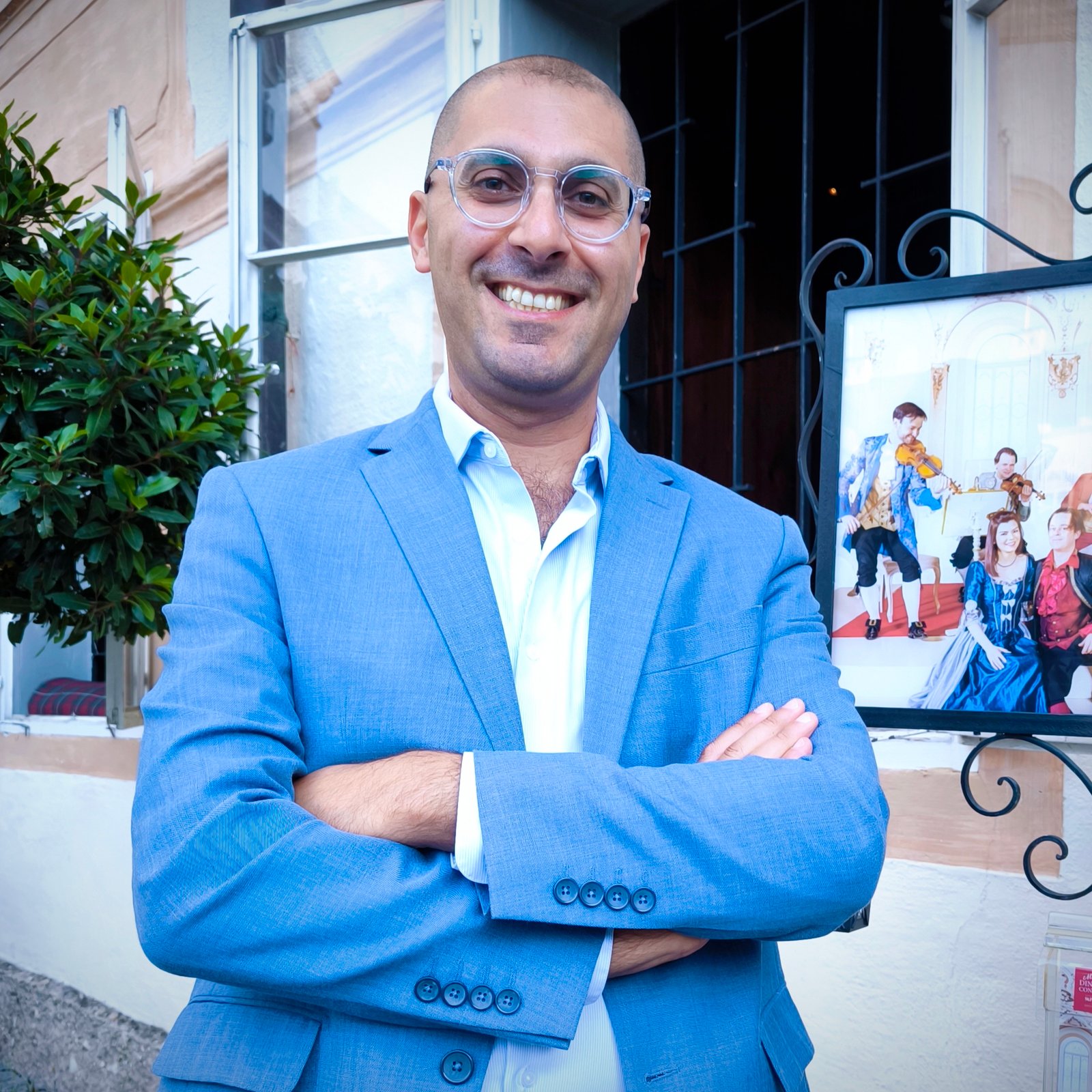
Maroun Badr
Maroun Badr is a Franco-Lebanese academic, lecturer, and researcher specializing in biolaw, bioethics, and biopolitics. He earned his PhD in Bioethics summa cum laude from the Faculty of Bioethics at the Ateneo Pontificio Regina Apostolorum in Rome, where his doctoral thesis was published in French in 2025. He serves as a Lecturer in Civil Law at the Faculty of Law of the Université Catholique de l’Ouest in Angers, and is a Research Scholar at the UNESCO Chair in Bioethics and Human Rights in Rome and an Associate Researcher at Universidad Anáhuac in Mexico.
He is a member of the Scientific Council of the Declaration of Casablanca for the universal abolition of surrogacy and an active contributor to international academic literature, having authored and edited books and published more than twenty peer-reviewed articles. His areas of expertise include biolaw, bioethics, and biopolitics, with a focus on fundamental rights, human rights, family and personal law, reproductive technologies, beginning- and end-of-life issues, patients’ rights, and health law.
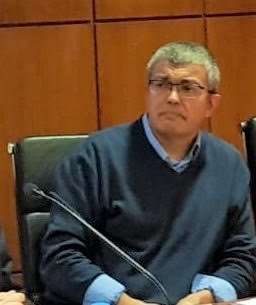
Dr. Héctor Silveira
Dr. Héctor Silveira is Professor of Legal Philosophy at the University of Barcelona, where he coordinates the Doctoral Programme in Citizenship and Human Rights. He is also Co-Director of the Spanish Observatory on the Right to Food (ODA-E).
His main research areas include democracy, the constitutional State and the role of the “fourth power”; the right to food and States’ obligations; and migration flows and fundamental rights. He has published extensively on democracy, constitutionalism, citizenship and the right to food. His recent publications include Agricultura familiar y derecho a la alimentación (University of Oviedo–ODA-E, 2019); “Cuarto poder y democracia” (2020); Las máscaras del Estado constitucional (Bosch Editor, 2021); and several studies on the public sphere, democratic governance and the protection of the commons.
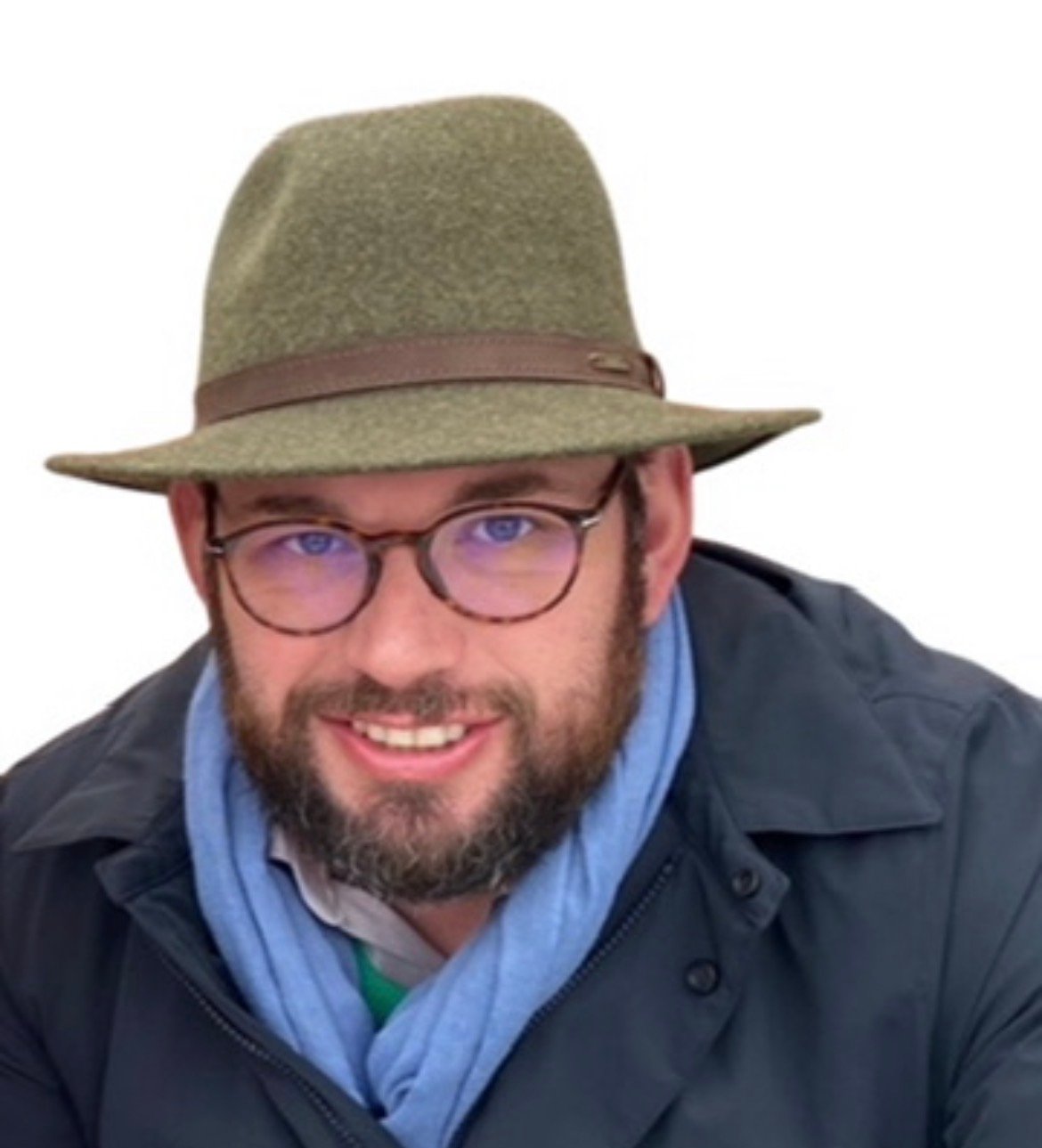
Otávio Dala Rosa
Otávio Dala Rosa is a Brazilian researcher in bioethics whose interdisciplinary work brings together public health, health law, end-of-life ethics, and human rights. He holds a Master’s degree in Public Health from the University of Campinas (UNICAMP), as well as postgraduate specializations in Health Law from the University of São Paulo (USP) and Medical Law from the University of Coimbra, Portugal. His doctoral research examines public policies on palliative care, autonomy in end-of-life decision-making, and state responsibility from a human rights perspective in Brazil.
His research focuses on end-of-life autonomy, palliative care, medically assisted dying, human dignity, and structural inequalities in access to healthcare. He has published studies on advance directives, the limits of life, and human dignity, including a recent article in BMC Medical Ethics on structurally constrained autonomy and assisted dying. He is currently an independent researcher affiliated with UNICAMP and a member of the Research Ethics Committee of the Piracicaba Dental School (FOP/UNICAMP), and also undertakes academic peer review and participates in initiatives related to global bioethics.