Bioética de la Alimentación, Sistemas Alimentarios y Cuidado Ambiental
Examina los desafíos éticos de la alimentación y de los sistemas alimentarios globales, considerando el derecho a la alimentación, la sostenibilidad, la salud, la diversidad biocultural y las condiciones en las que se producen, distribuyen y consumen los alimentos.
¿Qué responsabilidades éticas tenemos frente a la alimentación y los sistemas que la hacen posible?
ODA–México
Diálogo con ODA–México
El derecho a la alimentación, la justicia alimentaria y la sostenibilidad constituyen puntos de encuentro entre este eje y el trabajo del ODA–México. Desde sus respectivas identidades y formas de organización, ambos espacios pueden enriquecer la reflexión académica sobre los desafíos de los sistemas alimentarios.
ODA–México forma parte de la red ODA-ALC y no integra la estructura del Comité.
Conoce ODA–MéxicoIntegrantes
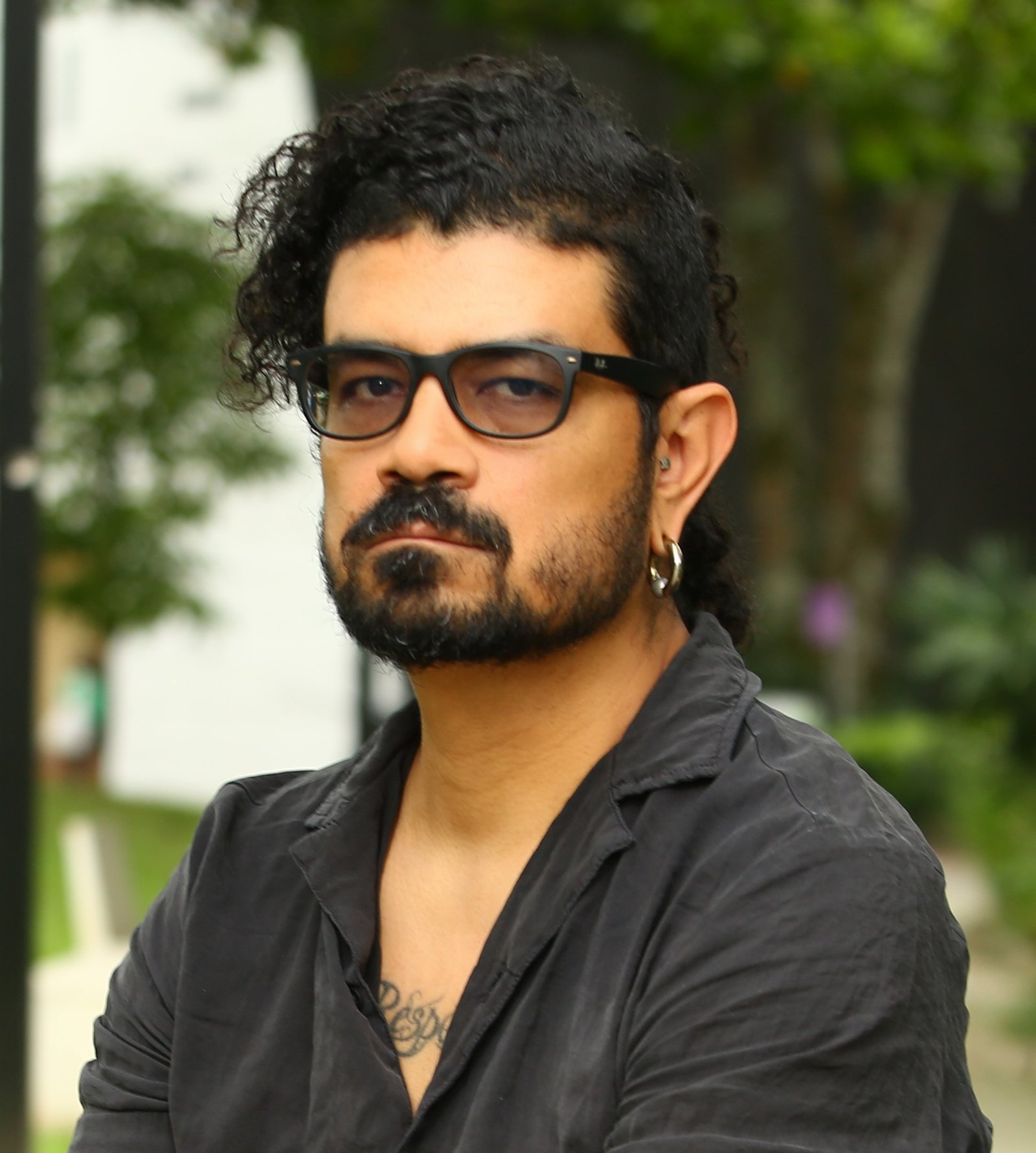
César Augusto Molina Saldarriaga
César Augusto Molina Saldarriaga holds a Master’s degree in Landscape Design, postgraduate specializations in Administrative Law and Technological Innovation Management, and a degree in Law. He is a full professor and Research Coordinator at the School of Law and Political Science of Universidad Pontificia Bolivariana in Medellín, Colombia. He is also an Associate Researcher and serves as a leader and member of the university’s Law Research Group (GRID), classified in Category A.
His academic interests include human rights, constitutional and administrative law, urban planning law, public policy, spatial planning, and technology and innovation management. Alongside his teaching and research, he provides consultancy services to public institutions, bringing together legal analysis, public administration, and territorial development.

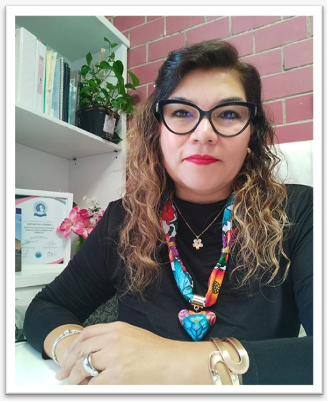
Aida del Carmen San Vicente Parada (PhD)
Aida del Carmen San Vicente Parada holds a PhD in Law, awarded with honours by the National Autonomous University of Mexico (UNAM). She is the author of several books and academic articles on bioethics, biolaw, civil law, personality rights, and the legal protection of animals and nature. Her principal areas of work include patients’ rights, legal responsibility in medical practice, biotechnology, the rights of persons with disabilities, and the rights of animals and nature.
She has contributed to the development and revision of academic programmes, postgraduate courses, educational platforms, and teaching materials on health law, bioethics, biolaw, biotechnology, human rights, and medico-legal responsibility at institutions including UNAM, Westhill University, and the Autonomous University of Baja California. She serves on research ethics and bioethics committees and was a founding member of the Bioethics Committee of Mexico City’s Animal Care Agency. She is currently a member of the UNAM PAPIIT research project Emerging Human Rights in the Context of Biotechnology and Artificial Intelligence and is actively engaged in teaching, academic outreach, and advocacy for persons with disabilities, animals, and nature.
Ivonne Ramírez (PhD)
Ivonne Ramírez is a Medical Sciences Researcher in the Department of Maternal, Child and Adolescent Nutrition at Mexico’s National Institute of Public Health (INSP) and a Level II member of the National System of Researchers. She serves on the Morelos State Breastfeeding Committee and the College of Nutrition Professors of the School of Public Health of Mexico. She is also Deputy Coordinator of the Mexico Chapter of the Observatory of the Right to Food in Latin America and the Caribbean (ODA-ALC) and leads the INSP initiative Más Lactancia y Salud para la Vida. Since 1999, she has contributed to Mexico’s National Health and Nutrition Surveys and to impact evaluations conducted by the INSP.
Her research focuses on maternal and child nutrition, breastfeeding, complementary feeding, childhood obesity, metabolic disorders, and population-level dietary assessment. She currently leads a childhood cohort study examining the early, genetic, and dietary factors associated with obesity and metabolic alterations. She also directs projects on breastfeeding, complementary feeding, the development of a Mexican food composition database, and the design of instruments for assessing dietary intake in population studies. In addition, she is a co-investigator in maternal and child health projects related to food-based dietary guidelines and the Maternal and Child Observatory (OMI), among other initiatives.
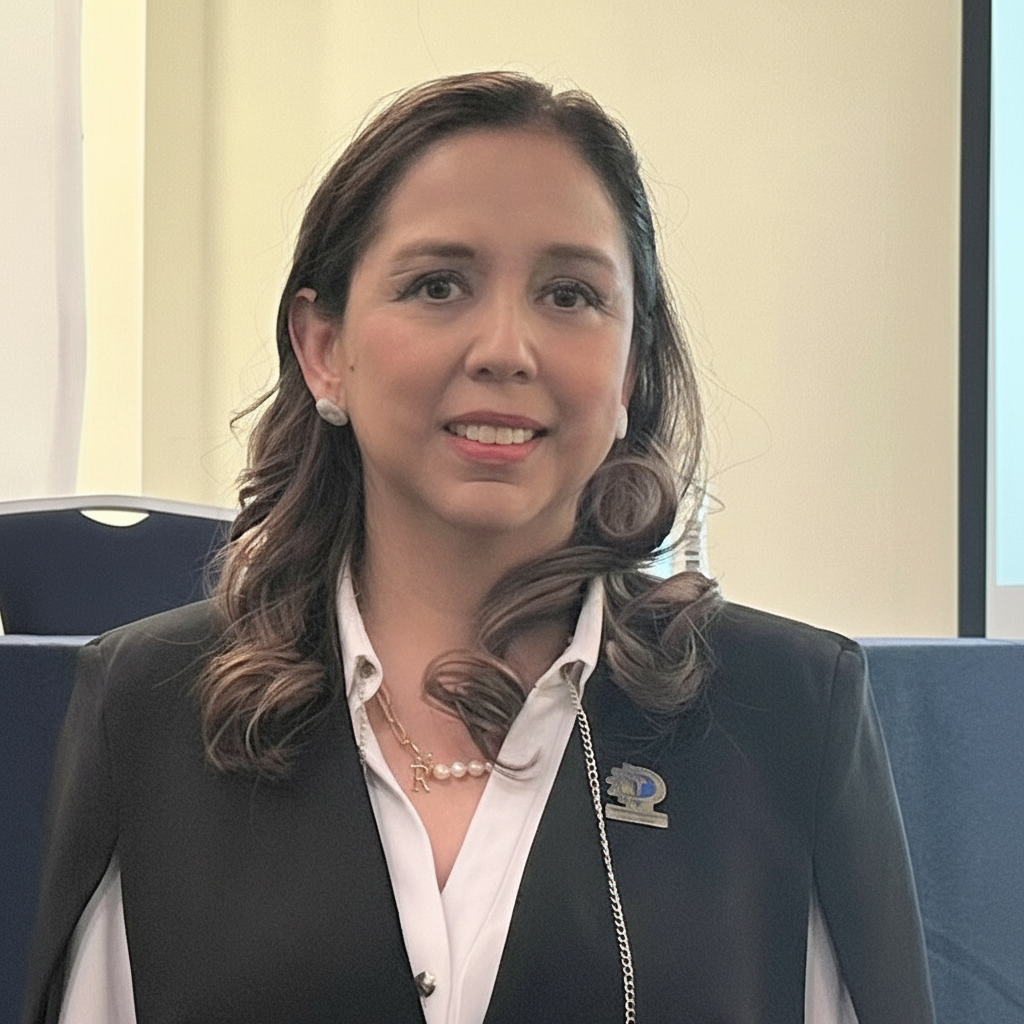
Rebeca Monroy Torres
Full Professor at the Faculty of Medicine and Nutrition of the University of Guanajuato and founder of the University Observatory for Food and Nutritional Security of the State of Guanajuato. She is a certified dietitian and researcher with a PhD in Medical Sciences and five master’s degrees in fields including clinical research, technological innovation, toxicology, and medicinal plants research. She is a Level I member of Mexico’s National System of Researchers (SECIHTI) and the author of Guide for the Development of Research Projects in the Health Area in a Sustainable Era.
Since 2005, she has received extensive training in bioethics and research ethics through UNESCO, the National Autonomous University of Mexico (UNAM), and other institutions. She has served on research ethics committees in public and private institutions, including as chair of a committee registered with Mexico’s National Bioethics Commission (CONBIOÉTICA). Her work brings together nutrition, food and nutritional security, health research, sustainability, and bioethics.