Salud Global
Análisis de los dilemas bioéticos globales desde la perspectiva de la salud global, la equidad en salud, los determinantes sociales, la vulnerabilidad y el acceso a la atención sanitaria.
¿Cómo construir respuestas sanitarias más justas, solidarias y accesibles?
Integrantes
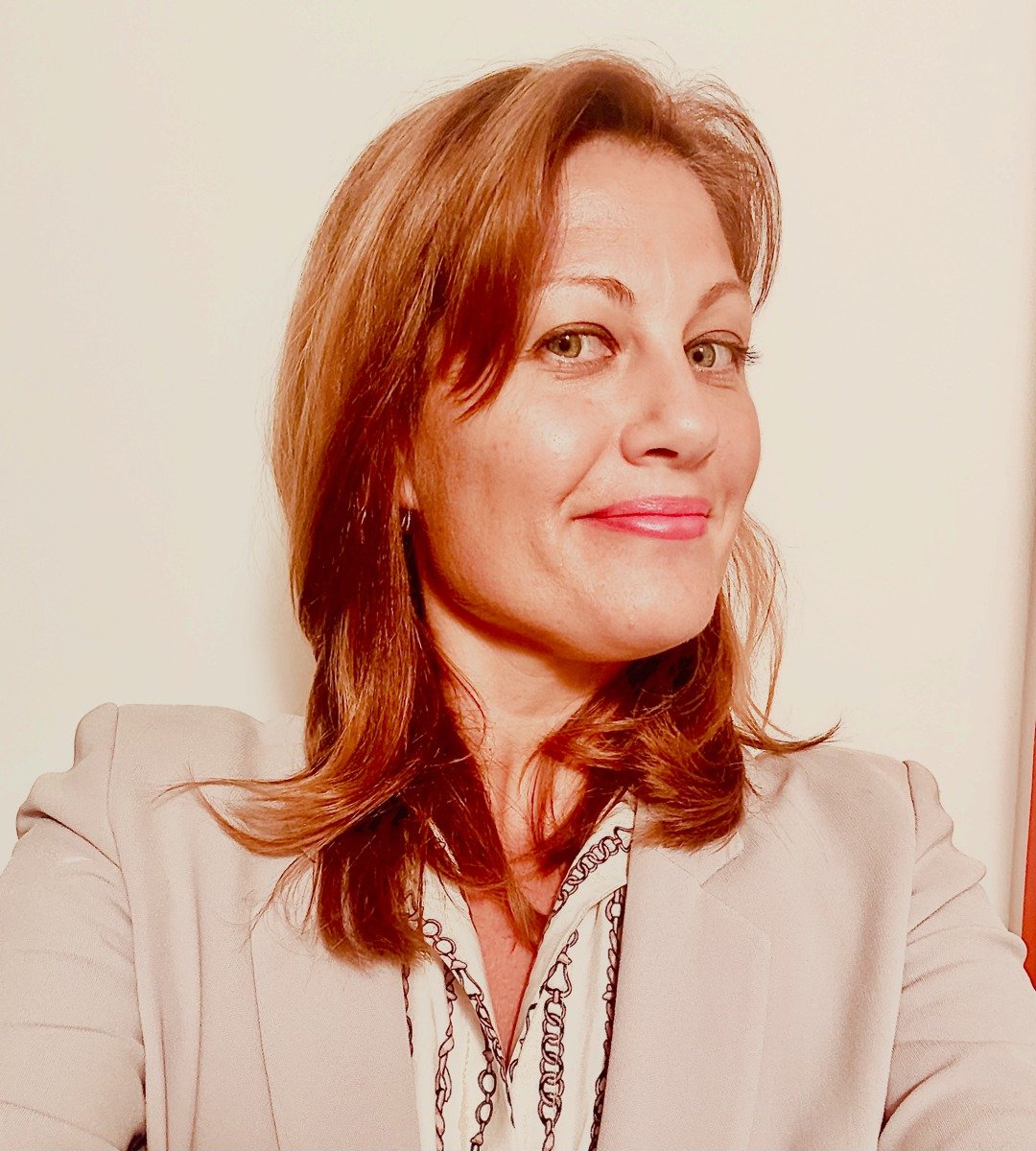
Adriana Di Biase
Adriana Di Biase is a science educator and founder of Osmosi, an initiative based in Italy that develops educational, social, and health programs focused on women’s wellbeing, empowerment, and bioethics. She holds a master’s degree in Bioethics from the Theological Faculty of Turin, graduating magna cum laude, a master’s degree in Human Reproductive Biotechnology from the University of Teramo, and a bachelor’s degree in Medical Biotechnology from the University of Naples Federico II.
Her professional experience spans reproductive biotechnology, embryology, and women’s health in Italy and Australia, including research at the University of Queensland and clinical work in assisted reproduction. She also has training in yoga, mindfulness, and trauma-sensitive practices. Her work brings together science education, bioethics, reproductive health, and community wellbeing, with particular attention to women experiencing social disadvantage and survivors of complex trauma.
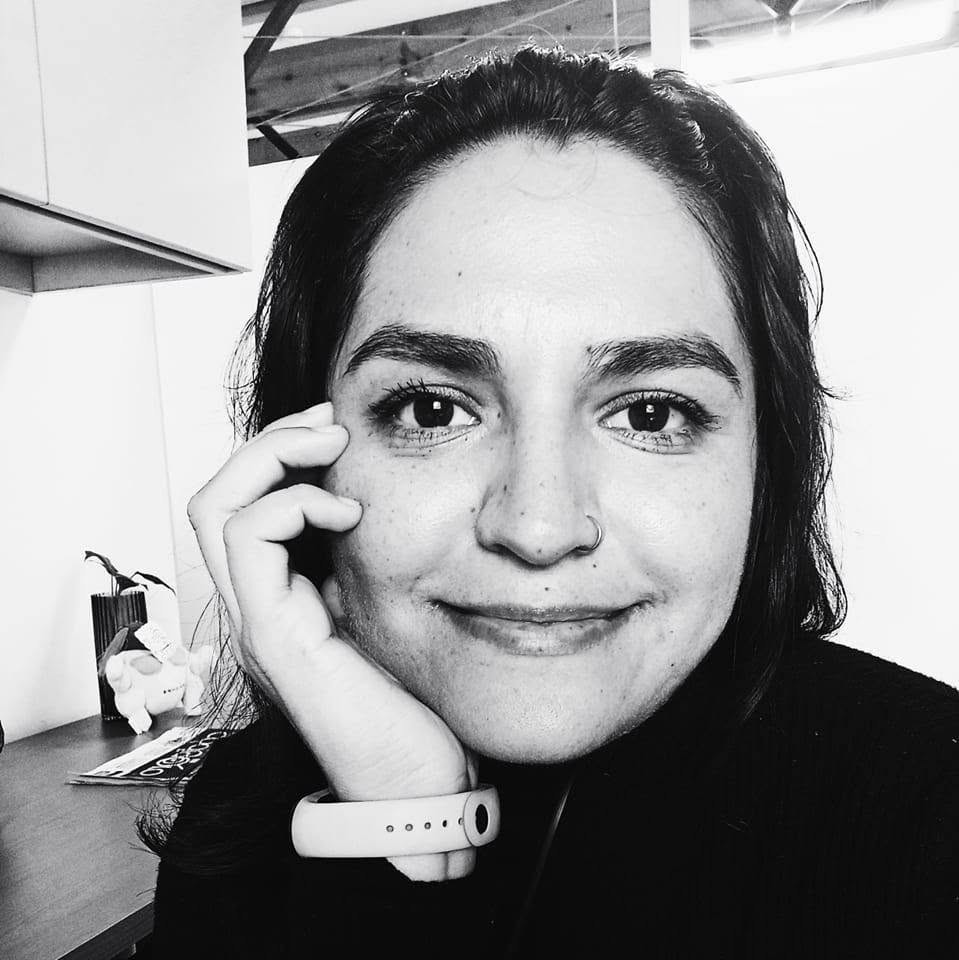
Andrea Munguía Sánchez
Andrea Munguía Sánchez is a researcher in the Bioethics Division at the Center for Advanced Social Research (CISAV). She holds a master’s degree in Bioethics from CISAV and a bachelor’s degree in Anthropology from the Autonomous University of Querétaro. She is currently pursuing a PhD in Innovation in Social Responsibility and Sustainability at Universidad Anáhuac México. She has also completed diploma programs in Anthropological Expert Assessment, Social Responsibility Management, Sustainable Development, and Environmental Ethics.
She chairs the Research Ethics Committee at the Mexican Institute of Ophthalmology and is a member of the Bioethics Committee of the Faculty of Natural Sciences at the Autonomous University of Querétaro. She also participates in the Laudato Si Observatory and ODUCAL’s University Social Responsibility Network. Her areas of interest include integral ecology, global bioethics, and the relationships between youth, hope, and eco-anxiety.
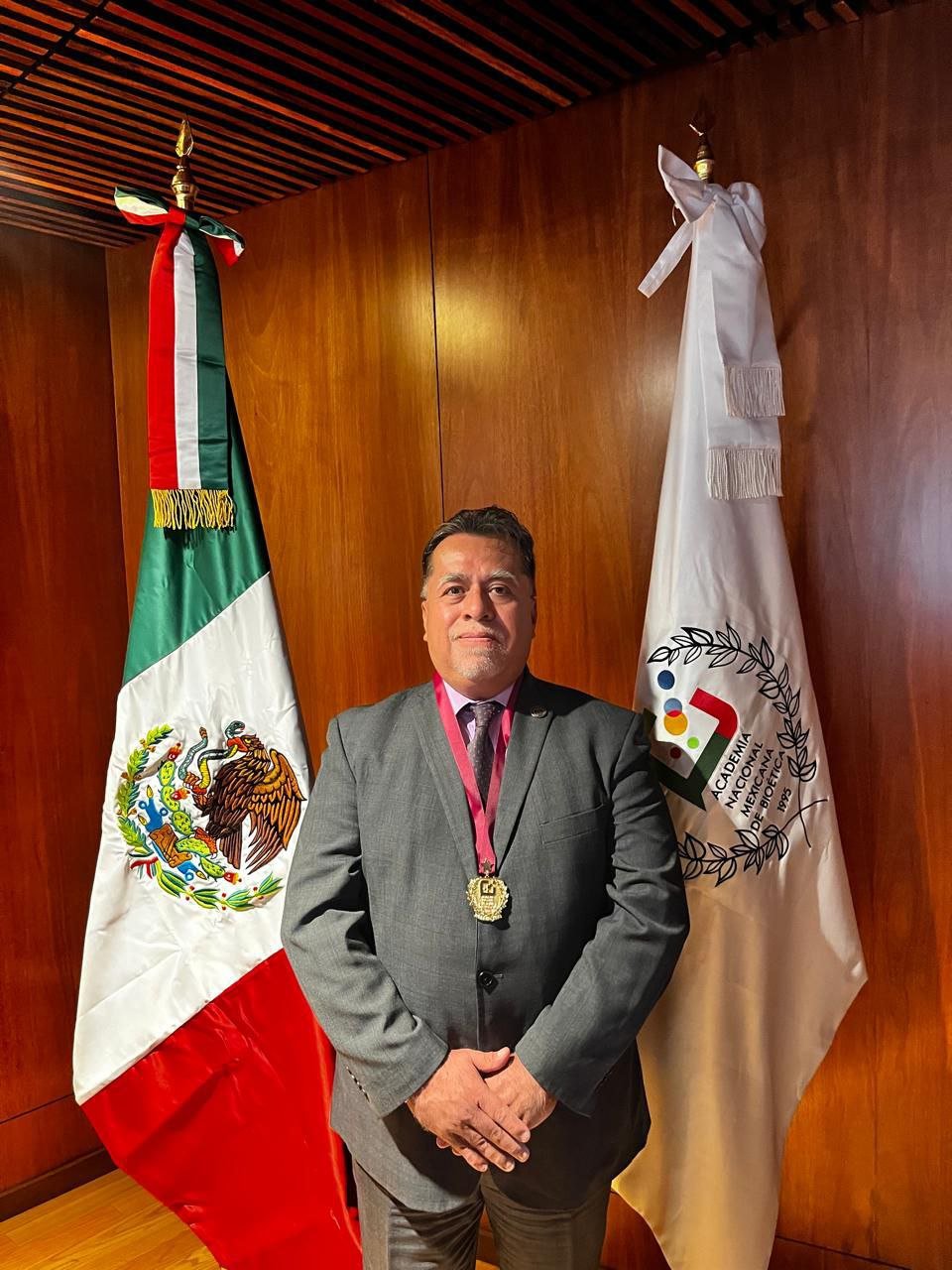
Antonio Muñoz Torres
Antonio Muñoz Torres is a Mexican scholar and educator in bioethics whose interdisciplinary background brings together biology, health sciences, scientific methodology, and applied bioethics. He holds a degree in Biology from the National Autonomous University of Mexico (UNAM), as well as Master’s and Doctoral degrees in Bioethics from Universidad Anáhuac México. He currently serves as Coordinator of the Bioethics Division at the Center for Advanced Social Research (CISAV) and has extensive teaching experience at undergraduate, master’s, and doctoral levels.
His publications encompass experimental biology, hematology, genetic engineering, advance directives, informed consent, resource allocation, and the ethical challenges posed by the COVID-19 pandemic. He has held several leadership positions within the Mexican National Academy of Bioethics, including Secretary General, Vice-President, and President, and currently serves on its Advisory Council. He is also a founding member of the Interdisciplinary Seminar on Bioethics, a member of the Latin American and Caribbean Federation of Bioethics Institutions (FELAIBE), and a peer reviewer for Medicina y Ética and Bioethics Update.
Berna Arda
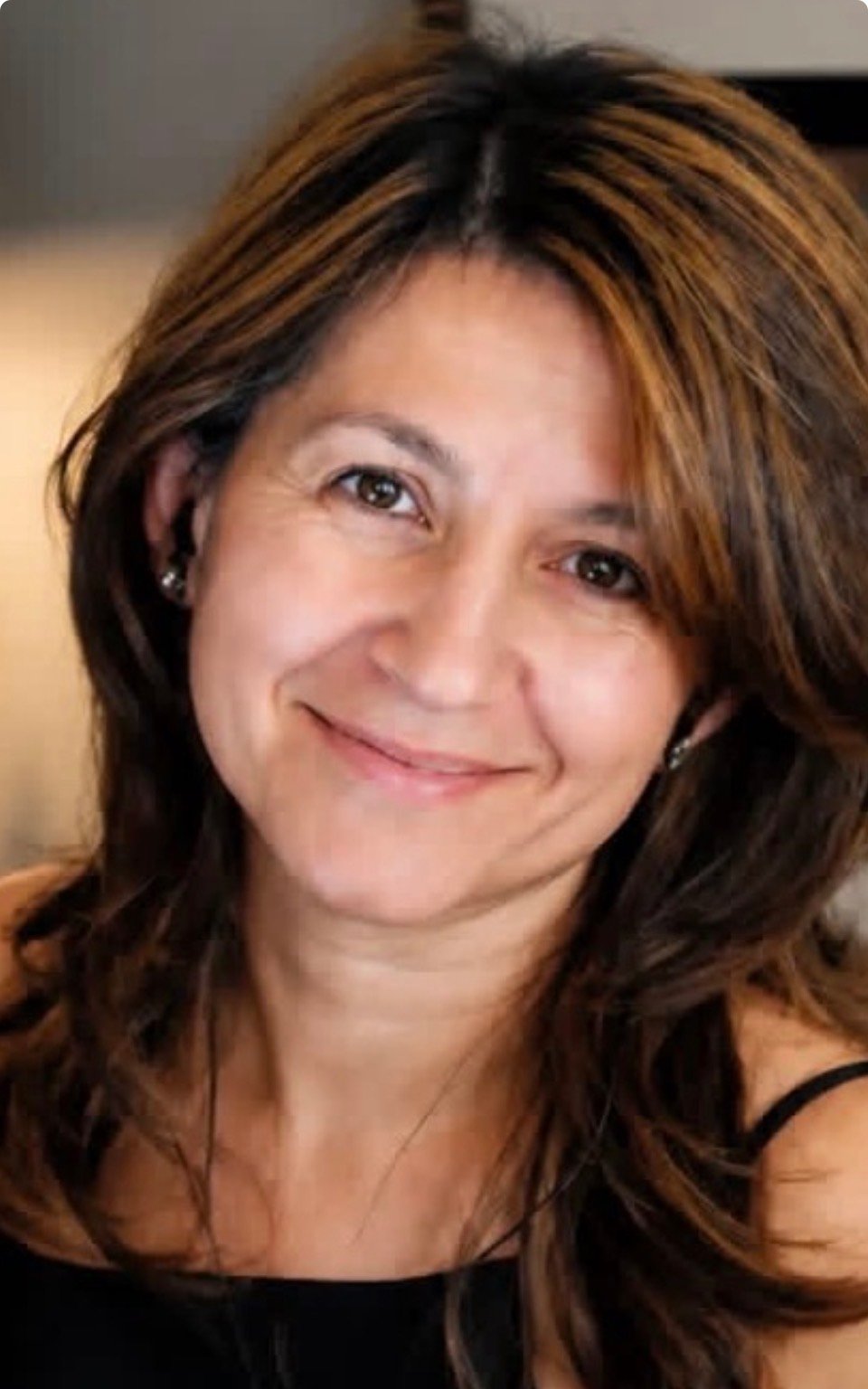
Berna Arda is Professor of Medical Ethics and History of Medicine at Ankara University Faculty of Medicine, Türkiye, where she chairs both the Department of History of Medicine and Ethics and the Department of Women’s Studies. A graduate of Ankara University Faculty of Medicine in 1987, she holds a medical specialty and a PhD. Her principal research and publication areas include research ethics, human rights, women and bioethics, medical law, ethics education, and the historical development of the concept of disease. She has served as a guest professor at the University College London Centre for the History of Medicine and as a visiting scientist at Boston Children’s Hospital and Harvard Medical School.
Professor Arda was the founding chair of the Turkish Bioethics Society from 1994 to 2001 and a member of the High Disciplinary Committee of the Turkish Medical Association from 2008 to 2012. She has served as a Governor of the World Association for Medical Law since 2006 and was its Treasurer from 2018 to 2024. She was also among the founders and served as the first President of the International Association for Education in Ethics from 2012 to 2016, subsequently continuing as a member of its Executive Committee. In 2025, she chaired the 29th World Congress on Medical Law and Bioethics, held in Istanbul.
Evangelina Belén Mollar
Evangelina Belén Mollar is a lawyer and bioethics specialist with over 20 years of experience in ethics and applied medical ethics. She serves as Regional Director for Latin America at BioEthx (Aquas Inc., Washington, D.C.) and works as an independent consultant in applied medical ethics.
She is an active member of the Bioethics Committee of Argentina’s National Central Institute for the Coordination of Ablation and Implantation (INCUCAI) and has previously served on the bioethics committees of Vélez Sarsfield Hospital, the Argentine Society of Urology, and Pedro Elizalde Hospital.
Her areas of expertise include medical ethics, bioethics, and biolaw. She has participated as a speaker at national and international conferences and is the author of several national and international publications.
Howard Snoyman
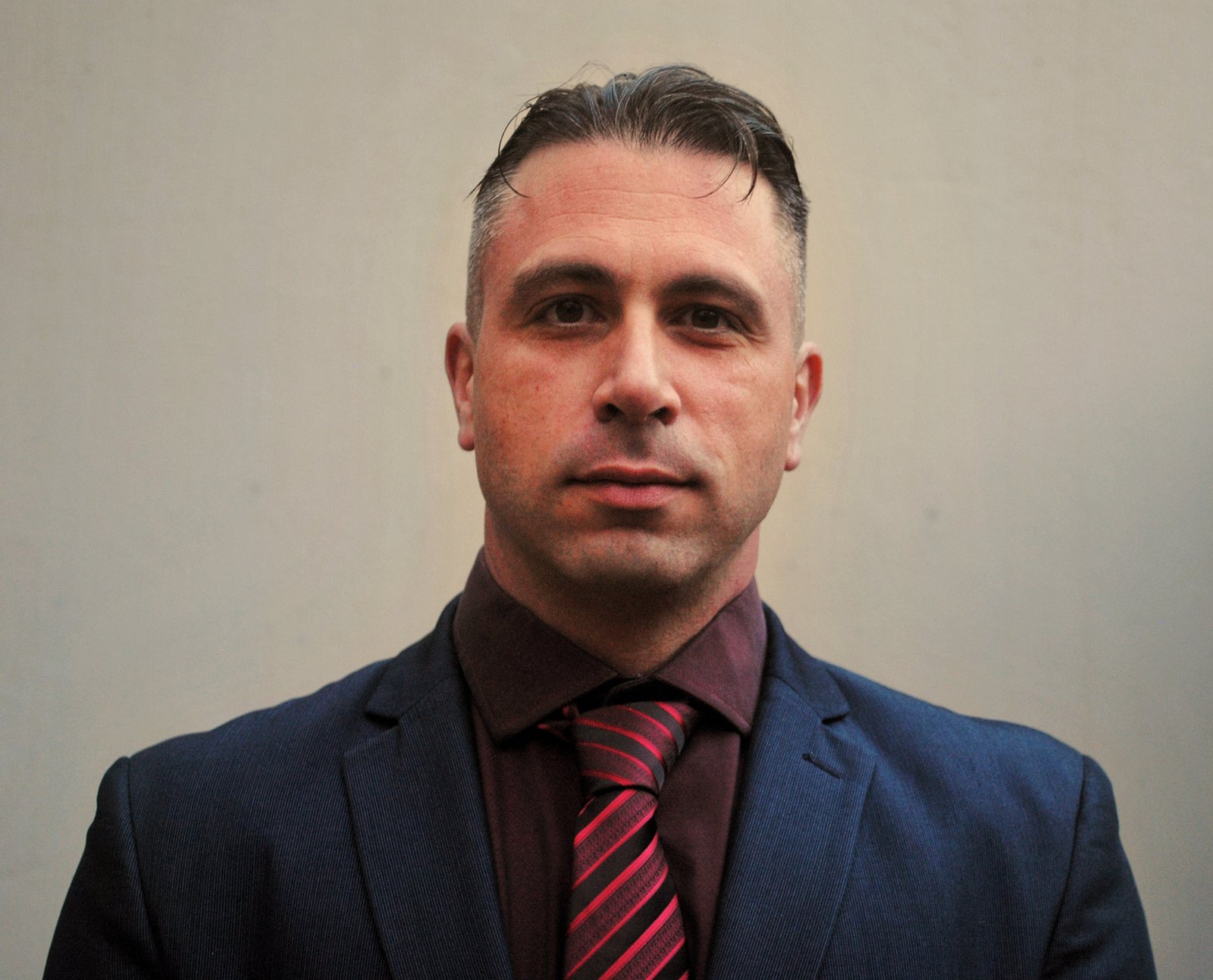
Dr. Howard Snoyman is an ethicist and an admitted attorney of the High Court in South Africa. He serves as the Head of Legal and Ethics at Discovery Health Medical Scheme, South Africa's largest healthcare insurer. He holds LLB, MSc. Med and PhD degrees, as well as professional accreditations as a Certified Ethics Officer, Certified Deal Architect, and Certified Fraud Examiner. Howard Chairs the South African Association for Bioethics and Health Law (who is the local organizing committee that will be hosting the World Congress for Medical Law in Sandton, Johannesburg in August 2027), and serves as a Board member of the Marketing Code authority – a self-regulatory body established by the pharmaceutical industry to set and adjudicate upon ethical marketing and promotional activity relating to medicines on South Africa.
Jesús Armando Martínez Gómez
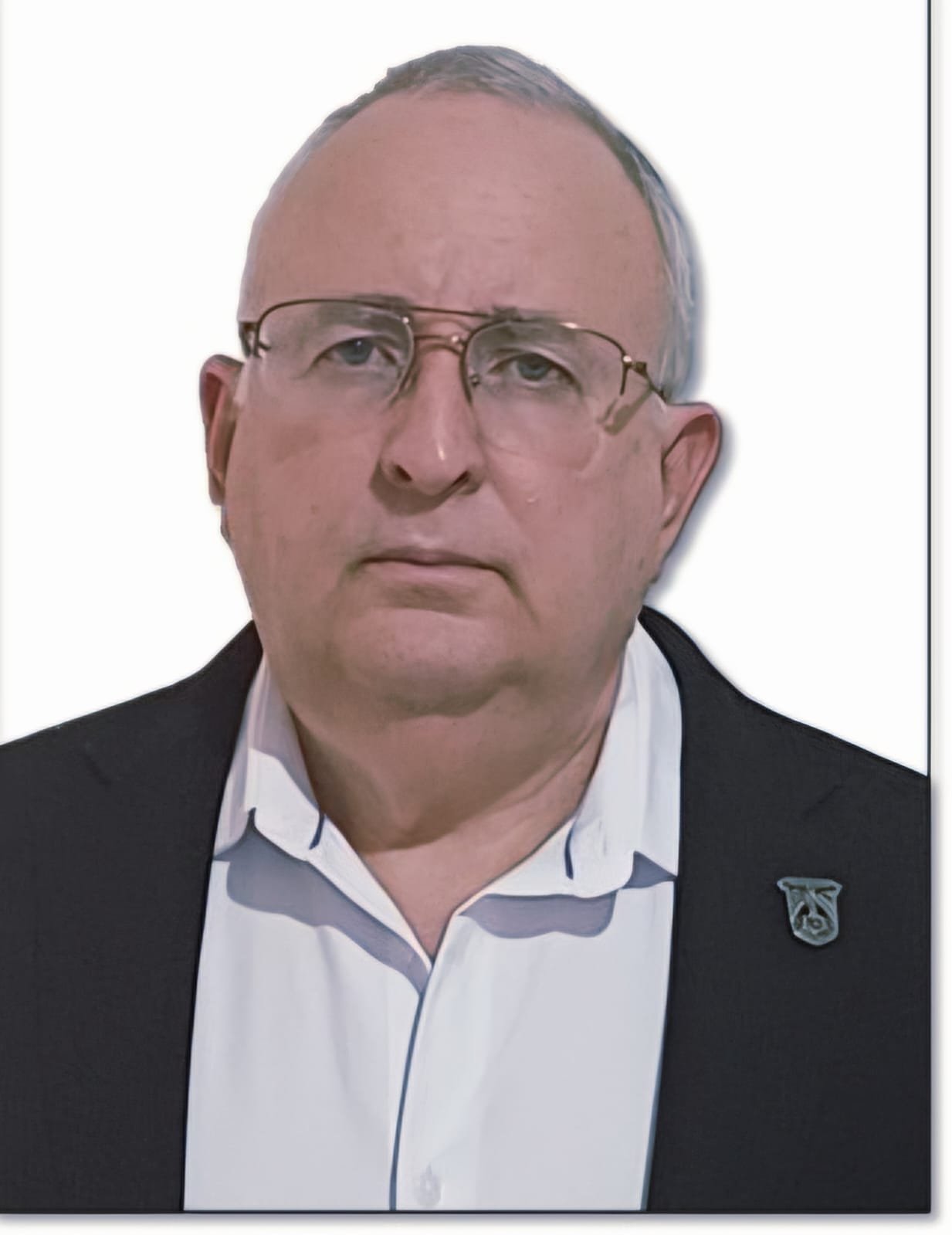
Jesús Armando Martínez Gómez is a Professor and Researcher at the Faculty of Law of the Autonomous University of Querétaro (UAQ), Mexico, where he coordinates the “Dr. Héctor Fix-Zamudio” Center for Legal and Criminological Research and the Master’s Program in Applied Ethics and Bioethics. He is a member of Mexico’s National System of Researchers (SNII) and the Mexican National Academy of Bioethics, and President of the Hospital Bioethics Committee at Star Médica Querétaro.
He holds a PhD in Legal Sciences from the University of Havana and postgraduate degrees in Bioethics and Globalization and Law. His research focuses on bioethics, human rights, biolaw, legal philosophy, neuroscience, and artificial intelligence, particularly the ethical and legal challenges posed by emerging technologies. He also serves as President of the “Neuroscience, Artificial Intelligence and Law” Research Chair, promoting interdisciplinary dialogue among science, ethics, and law.
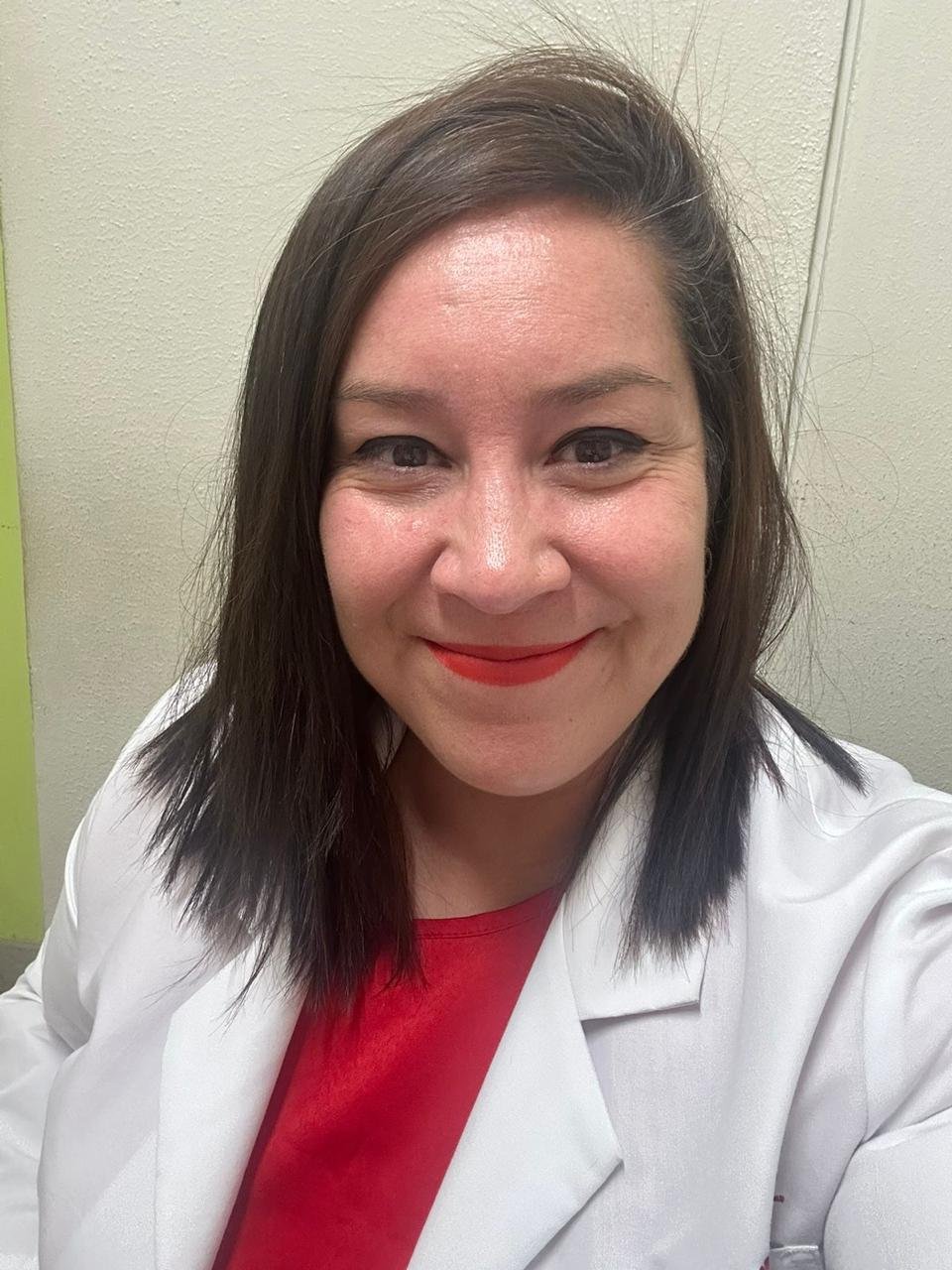
Luz del Carmen Ramírez Zazueta
Luz del Carmen Ramírez Zazueta is a physician specializing in Integrated Medicine and holds a Master’s degree in Bioethics and Law from the Institute of Ethics and Therapy of Jalisco. She is President of the Hospital Bioethics Committee at the General Hospital of the State of Sonora and Vice President of the Sonora Chapter of the Mexican National Academy of Bioethics.
She also serves as a member of the Research Ethics Committee of the Department of Medicine and Health Sciences at the University of Sonora (CEI-DMCS) and of the Research Ethics Committee at Universidad Durango Santander, Hermosillo Campus (CEI-UDS). She coordinates the Medical Bioethics Seminar of the Bioethics and Environment platform.
Since 2015, she has worked as a physician in the Emergency Department of the General Hospital of the State of Sonora. She is also involved in undergraduate and postgraduate teaching in the health sciences.
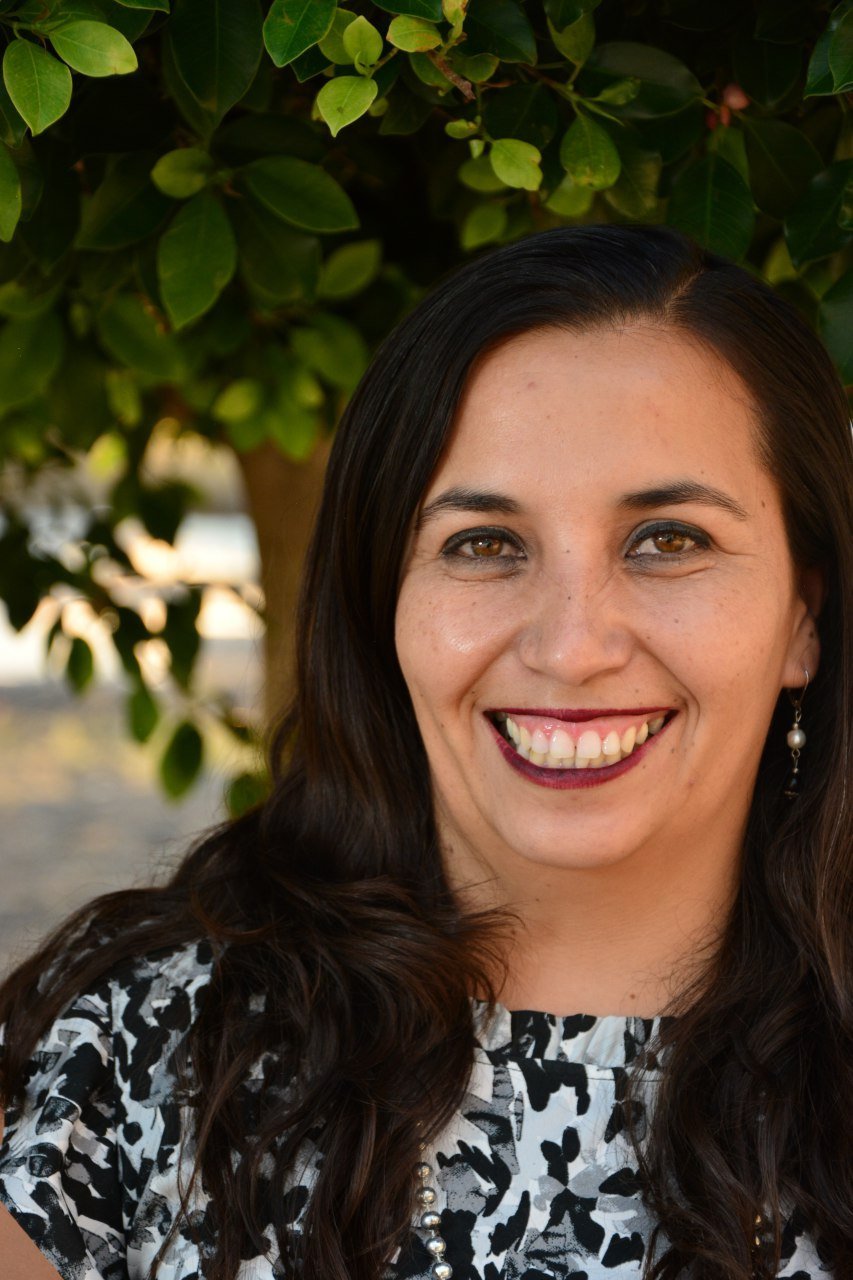
Patricia Raquel Mancilla Dávila
Patricia Raquel Mancilla Dávila is Coordinator of the Master’s Program in Bioethics at the Center for Advanced Social Research (CISAV). She is pursuing a PhD in Applied Bioethics at Universidad Anáhuac México, North Campus. She holds a master’s degree in Bioethics from CISAV and a degree in Dentistry from the Iztacala Faculty of Higher Studies at the National Autonomous University of Mexico (UNAM). She has completed a diploma program in Periodontics at UNAM and holds basic and advanced certifications in International Research Ethics through the CREEi program under the Fogarty Initiative. She was a fellow of the CREEi–Hastings Center Bioethics Scholars Program in 2023 and coordinated CISAV’s Bioethics Division from 2018 to 2022.
She chaired the Research Ethics Committee at the Mexican Institute of Ophthalmology IAP from 2019 to 2025 and has chaired its Healthcare Bioethics Committee during the 2020–2026 term. She serves as an external expert on the Ethics and Research Committee at Universidad Anáhuac Querétaro and as a member of the Interinstitutional Health Research Committee of the State of Querétaro. She is a full academic member of the Mexican National Academy of Bioethics and its Querétaro Chapter, and has served on its Board as Chapters Coordinator since 2022. Her career combines public and private clinical practice, undergraduate and postgraduate teaching, and participation in national and international conferences. She has authored articles and book chapters on bioethics.
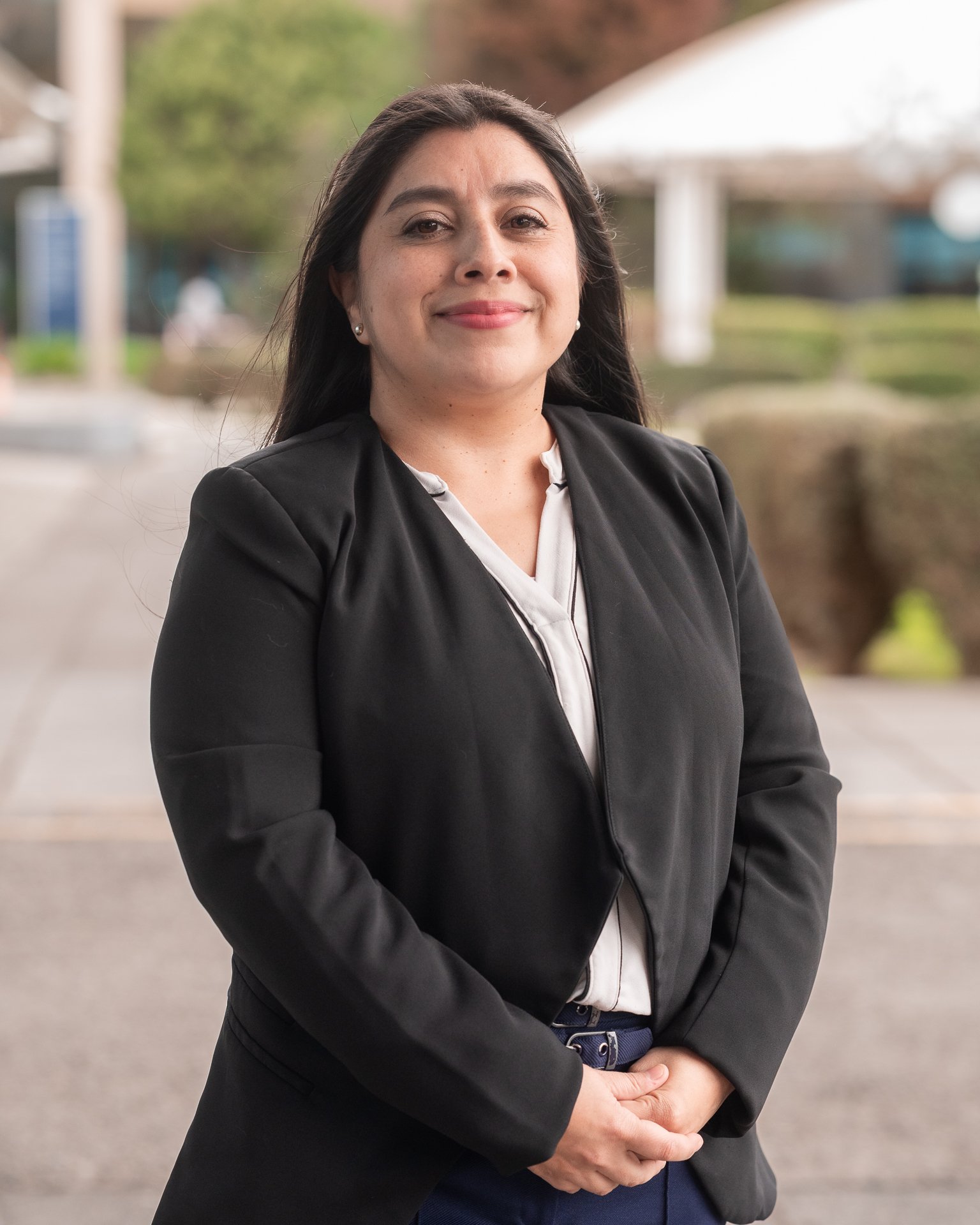
Pía Bustamante Barahona
Pía Bustamante Barahona is a faculty member in the National Department of Bioethics at Universidad San Sebastián (Chile), where she teaches undergraduate and postgraduate courses and serves as a full member of the university’s Scientific Ethics Committee (CEC-USS). She is a nurse and holds master’s degrees in Leadership and Management Skills and in Catholic Social Teaching. She is currently pursuing doctoral studies in Applied Bioethics at Universidad Anáhuac México, with a thesis focusing on autonomy and perceived barriers to motherhood.
She also coordinates the Applied Bioethics Laboratory at the CIEPE Foundation (Interdisciplinary Center for Ethics, Politics, and Economics) and serves as Executive Director of the Malva Miranda Foundation for the Promotion of Women’s Gynecological Health.
Renzo Di Siervi
Renzo Di Siervi holds a degree in Dentistry from the Universidad de la República (Uruguay) and a Master’s degree in Bioethics from the Pontifícia Universidade Católica do Paraná (Brazil). He is an Associate Professor in the Department of Collective Health at the Faculty of Dentistry, Universidad de la República, where he contributes to teaching, research, community engagement, and academic administration. He also participates in institutional initiatives related to research ethics and university education. His academic work brings together bioethics, public health, and dentistry, focusing on vulnerability, inequalities in access to healthcare, humanized care, and palliative care.
His master’s research examined the vulnerabilities affecting access to oral healthcare among adults receiving palliative care in Uruguay. His current research explores the integration of oral health into palliative care, the assessment of health needs and vulnerabilities, and education in palliative care and bioethics for healthcare professionals. Through interdisciplinary projects connecting universities, health services, and communities, as well as presentations at national and international conferences, he promotes a bioethical perspective grounded in human dignity, equity, care, and social justice.